
Do You Need a Referral for Physical Therapy in West Virginia?
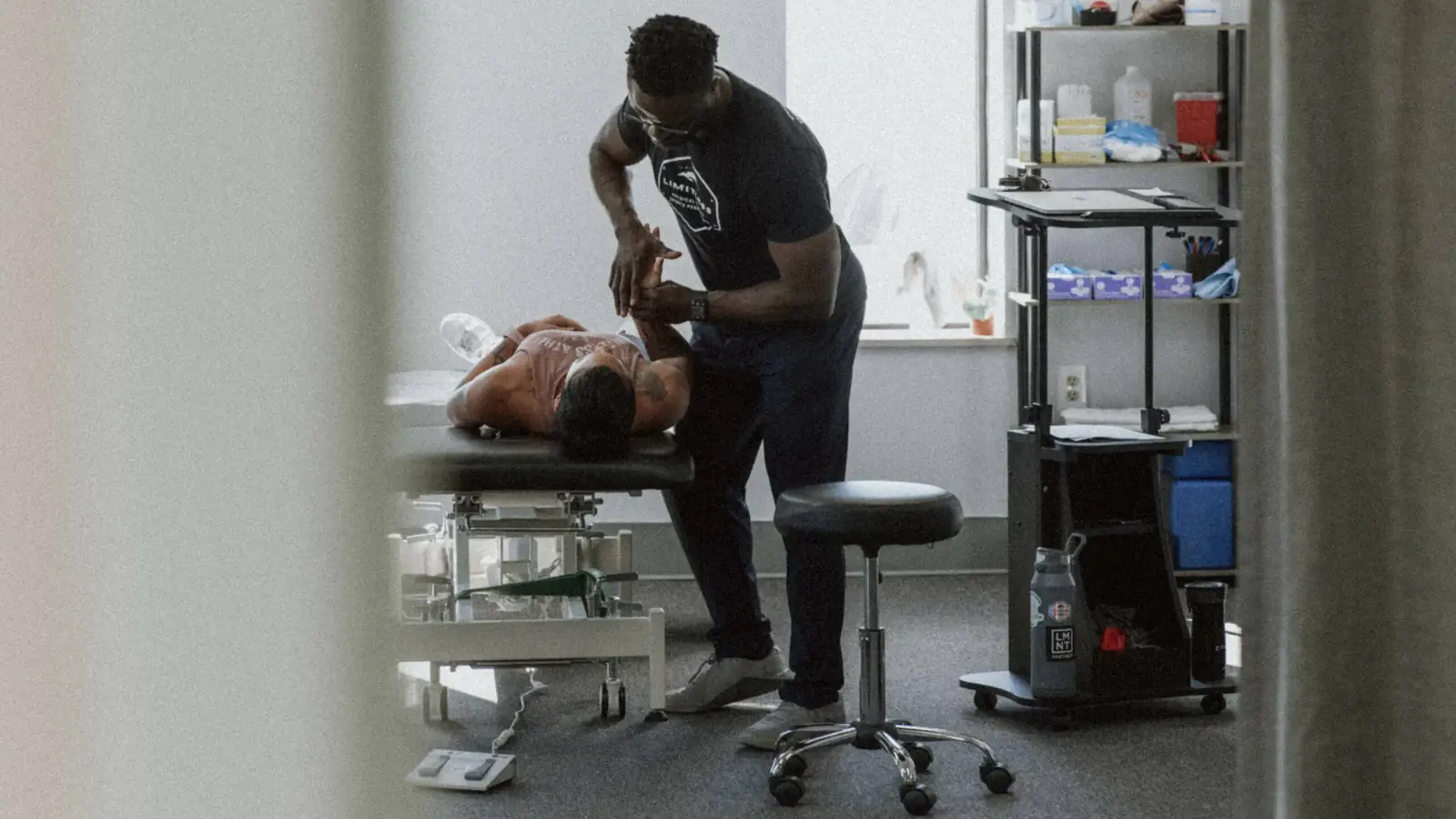
Short answer: in West Virginia, you generally do not need a doctor’s referral to be evaluated by a licensed physical therapist. West Virginia removed the physician-referral requirement from its physical therapy statute in 1984, which is why most clinics in the state — including ours in Kearneysville — can see you directly. The bigger question for most people is not state law but their insurance plan, which may have its own referral or authorization rules. Here is a plain-English walk through of how it works, what to check before you call, and what a first visit looks like.
Do you need a referral for physical therapy in West Virginia?
Under West Virginia law, a licensed physical therapist may evaluate and treat you without a physician’s referral. The referral language was removed from the state’s physical therapy statute decades ago, and the West Virginia Board of Physical Therapy governs licensure and scope of practice today. Practically, that means you can call a clinic yourself and schedule an evaluation.
Two caveats matter more than the statute:
- Your insurance plan sets its own rules. Some commercial plans, and many managed-care and Medicare Advantage plans, still require a referral or prior authorization before they will pay.
- Traditional Medicare requires physician certification of the plan of care. You can typically be evaluated first, but a physician or other qualified provider must certify the plan of care for coverage to apply.
What does direct access actually mean?
Direct access is the umbrella term for a patient going straight to a physical therapist without a physician acting as gatekeeper. Every U.S. state permits some form of it, but the details differ state to state — some allow full evaluation and treatment, others limit the number of visits or days before a referral is needed.
Direct access is about who you can see first. It does not change what a physical therapist is licensed to do, and it does not replace medical care. A good physical therapist screens for problems outside their scope and refers you out when something needs a physician, imaging, or another specialist.
Why does going straight to a physical therapist matter?
The main benefit is time. Waiting weeks for a primary care appointment, then waiting again for a therapy slot, can mean weeks of pain, guarding, and lost activity before anything is addressed. Going directly compresses that timeline.
Common reasons people use direct access:
- They already suspect movement is the problem — a nagging shoulder, a stiff low back, a knee that flares with running.
- They want a movement-based assessment before considering imaging or injections.
- They are an athlete or lifter mid-season and cannot afford a two-week delay.
- They have been through therapy before and recognize the same pattern coming back.
When should you see a doctor first instead?
Some situations belong with a physician, urgent care, or the emergency department before a therapy clinic. Seek medical care first if you have any of the following:
- A suspected fracture or dislocation, or an injury from a significant fall or crash
- Fever, chills, unexplained weight loss, or night pain that consistently wakes you
- New numbness, progressive weakness, or loss of bowel or bladder control
- Chest pain, shortness of breath, or symptoms that feel cardiac in nature
- An open wound, spreading redness, or other signs of infection
If you are unsure, call and ask. A clinic can help you decide whether an evaluation is appropriate or whether you should be seen medically first — and a licensed therapist is trained to refer you out when the findings warrant it.
How do you find out whether your insurance requires a referral?
Call the member services number on the back of your insurance card and ask three specific questions:
- Does my plan require a physician referral for outpatient physical therapy?
- Does it require prior authorization, and if so, who submits it?
- What is my deductible, copay or coinsurance, and visit limit for outpatient physical therapy this plan year?
Write down the date, the representative’s name, and the call reference number. Many clinics, ours included, will also run a benefits check for you before the first visit so there are no surprises. If your plan does require a referral, that is usually a quick request to your primary care office — not a reason to put off care.
What happens at a first physical therapy appointment?
The first visit is an evaluation, not a workout. Expect roughly an hour covering:
- History. What happened, when it started, what makes it better or worse, and what you are trying to get back to.
- Screening. Questions and tests that help rule out conditions needing a physician.
- Movement assessment. Strength, range of motion, joint mobility, balance, and how you move under load.
- A working explanation. What your therapist believes is driving the symptoms, in language you can repeat at home.
- A plan. Expected visit frequency, what treatment will involve, and what you will do between sessions.
Bring comfortable clothes you can move in, your insurance card and ID, a list of medications, and any imaging reports you already have.
What should you prepare before you call a clinic?
Five minutes of prep makes the first visit far more productive. Have ready:
- A one-sentence version of the problem and roughly when it started
- Anything you have already tried — rest, ice, medication, a home program, prior therapy
- Your specific goal: return to a sport, sleep through the night, lift without pain, walk the dog again
- Your insurance information and your primary care provider’s name
Does direct access mean skipping your doctor entirely?
No. Direct access changes the order of operations, not the team. Physical therapists routinely communicate with primary care providers, orthopedic surgeons, and other specialists, and will send you back to a physician when the picture calls for it. Many patients use direct access to get moving quickly while keeping their physician fully in the loop.
How does one-on-one care change the experience?
At Limitless Physical Therapy in Kearneysville, every session is one-on-one with a doctor of physical therapy — not split across several patients or handed off to an aide. That matters most in the first few visits, when the assessment is still evolving and small adjustments to how you load a joint change how the week feels. It also means the person who evaluated you is the person coaching every rep.
The bottom line on referrals in West Virginia
West Virginia law does not require a physician referral for you to be evaluated by a licensed physical therapist, so in most cases you can pick up the phone and get started. Verify your insurance plan’s referral and authorization rules first, and seek medical care right away for any red-flag symptoms.
This article is general education, not medical advice, and it does not replace an individual evaluation. Talk with a licensed physical therapist or your physician about your specific symptoms and health history before starting or changing a treatment plan.