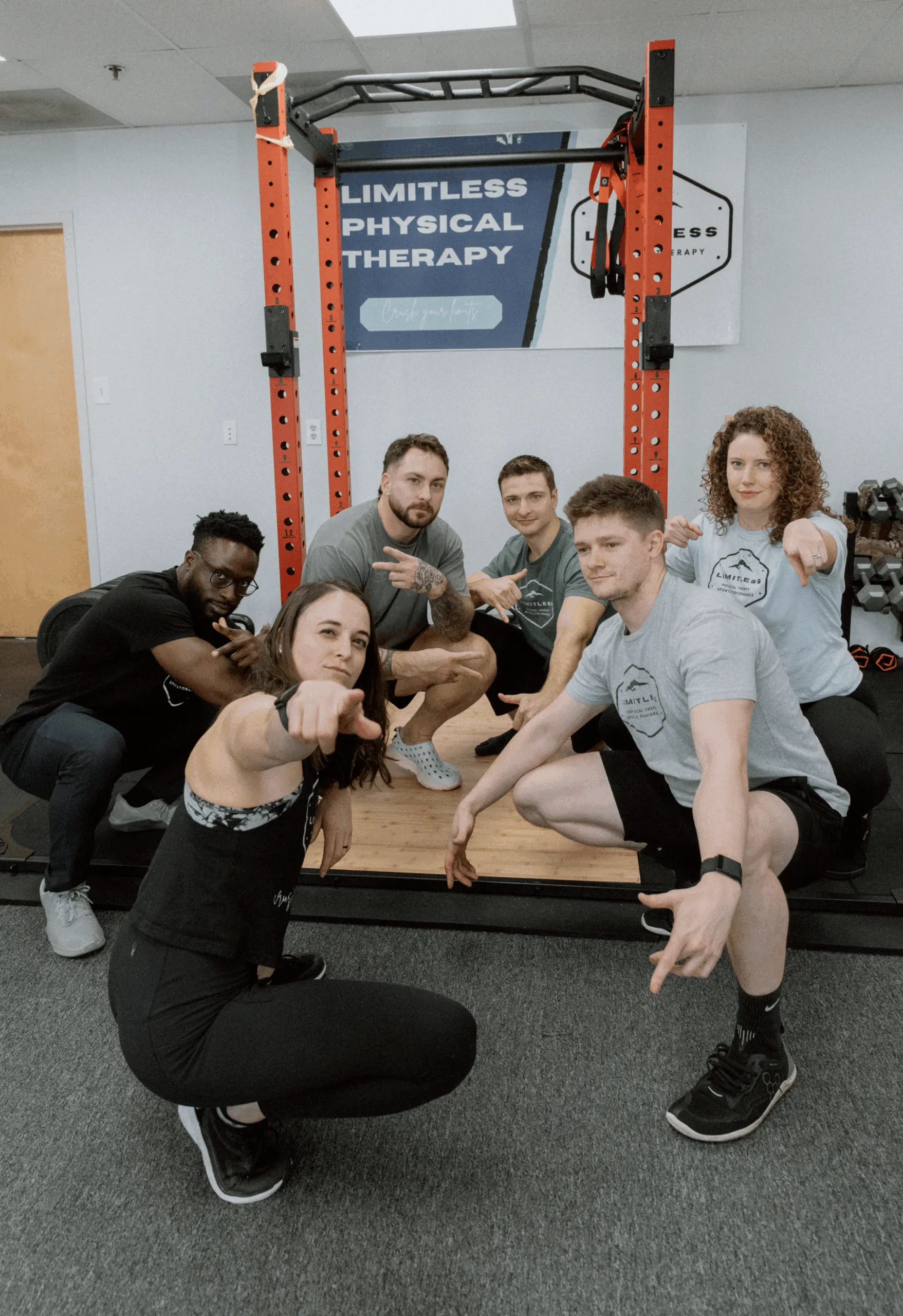
Fall Sports Injury Prevention: Pre-Season Screening for Panhandle Athletes
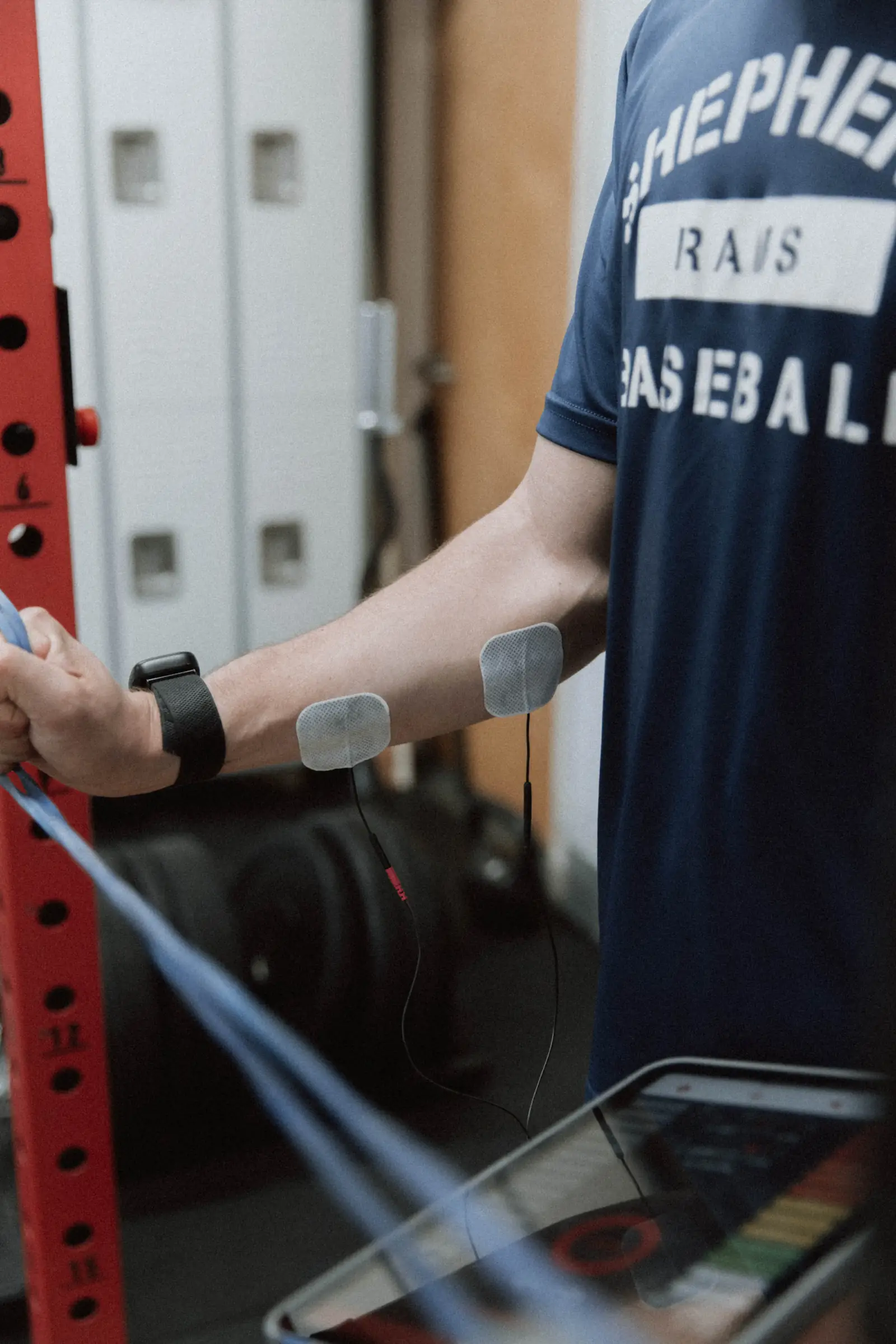
Fall sports are back across the Eastern Panhandle. Football, soccer, cross country, and volleyball seasons all ramp up within the same few weeks, and that ramp is exactly when injuries spike. High school athletes suffer an estimated 2 million injuries every year in the United States, and a large share of them happen in August and September, when training volume jumps faster than the body can adapt. A pre-season movement screening is the most practical way to find the weak links before the season finds them for you.
What is a pre-season sports screening?
A pre-season screening is a 45 to 60 minute assessment where a physical therapist tests how an athlete moves under load, then flags the specific patterns that raise injury risk. At Limitless Physical Therapy in Martinsburg, a screening covers:
- Single-leg strength and control: single-leg squats and hop testing show side-to-side differences. A strength gap of more than 10 percent between legs is a common thread in non-contact knee injuries.
- Landing mechanics: we watch how the knees track during jump landings. Knees that collapse inward (dynamic valgus) are one of the strongest predictors of ACL injury, especially in female athletes.
- Ankle mobility and stability: limited ankle dorsiflexion changes how force travels up the leg and is linked to both ankle sprains and knee pain.
- Hip and core strength: weak hip abductors let the pelvis drop and the knee drift during cutting and sprinting.
- Sport-specific movement: a soccer player gets tested on cutting and deceleration, a cross country runner on running mechanics and single-leg endurance, a volleyball player on jump-landing volume tolerance.
The output is not a pass or fail grade. It is a short, prioritized list: here are the two or three things most likely to get this athlete hurt, and here is the plan to fix them.
Why do so many injuries happen early in the fall season?
Early-season injuries cluster because training load changes faster than tissue can adapt. An athlete who spent June and July mostly resting, then jumps into two-a-day practices in August, asks tendons, ligaments, and muscles to handle a workload they have not been prepared for. Muscle strength can improve within weeks, but tendons and ligaments remodel over months. That mismatch is why hamstring strains, shin splints, patellar tendon pain, and stress reactions show up in weeks two through six of a season.
Heat adds another layer in a Panhandle August. Fatigue from conditioning in 90 degree practices degrades movement quality, and most non-contact injuries happen when an athlete is tired and their mechanics break down.
Which injuries can screening actually help prevent?
Screening is most useful for non-contact and overuse injuries, which make up the majority of what we treat every fall:
- ACL tears: roughly 70 percent of ACL injuries are non-contact, meaning the athlete plants, cuts, or lands and the knee gives way with nobody near them. Those are exactly the mechanics a screening evaluates. Structured neuromuscular training programs have been shown to cut non-contact ACL injury rates by half or more in adolescent athletes.
- Ankle sprains: the single biggest risk factor for an ankle sprain is a previous ankle sprain. Screening identifies the athletes with lingering instability so they can strengthen it before the first bad landing.
- Hamstring strains: weak eccentric hamstring strength and prior injury are the two main risk factors, and both are testable.
- Overuse injuries: shin splints, Sever's disease in younger athletes, patellar tendinopathy, and stress reactions all trace back to load spikes on top of mobility or strength deficits.
No screening prevents a helmet-to-knee collision. What it does is take the preventable share of injuries, which is a large share, and shrink it.
How is this different from a sports physical?
A pre-participation sports physical clears an athlete to play. It checks heart, lungs, vision, and medical history, and it takes about ten minutes. It is necessary, and it tells you almost nothing about injury risk from movement. A physical does not measure single-leg strength symmetry, landing mechanics, or ankle mobility. A movement screening does. Think of the physical as the medical clearance and the screening as the performance and durability check. Panhandle athletes benefit from both before the first official practice.
What happens after the screening?
The athlete leaves with a targeted plan, not a generic handout. Depending on what we find, that might look like:
- A home corrective program: most athletes need 10 to 15 minutes of targeted work a few days per week, built around their two or three biggest deficits.
- A short block of one-on-one sessions: if we find a meaningful strength gap or a movement fault that will not fix itself, a handful of focused sessions in the clinic accelerates the correction. Every visit at Limitless is one-on-one with a doctor of physical therapy for the full hour.
- Sports performance training: athletes who screen clean and want to get faster and more resilient can move into our sports performance and small group training programs.
- A re-check mid-season: for athletes coming off a prior injury, a mid-season re-test confirms the fix is holding under real game loads.
Because West Virginia is a direct access state, none of this requires a physician referral. Parents can book a screening directly, and most athletes are screened, scored, and set up with a plan in a single visit.
When should Panhandle athletes get screened?
The best window is two to six weeks before the season starts, which leaves time to correct what the screening finds. The second best time is right now, even if the season is already underway. Early-season screening still catches deficits before they turn into missed games in October, and it gives athletes coming back from a summer injury an objective read on whether they are truly ready for full contact and full speed.
Athletes who should prioritize a screening this fall:
- Anyone returning from an injury in the past 12 months, especially an ankle sprain, hamstring strain, or knee injury
- Female soccer, volleyball, and basketball athletes, who face ACL injury rates 2 to 8 times higher than male peers in the same sports
- Multi-sport athletes stacking fall and winter seasons with no off-season
- Runners increasing mileage quickly for cross country
- Freshmen making the jump to high school practice volume and intensity
How do I schedule a pre-season screening near Martinsburg?
Limitless Physical Therapy works with athletes from Martinsburg, Charles Town, Ranson, Shepherdstown, and across the Eastern Panhandle. Every screening is performed one-on-one by a doctor of physical therapy, and you do not need a referral to book. Call the clinic or request an appointment online, tell us the sport, and we will build the screening around it. One hour before the season can save an entire season.