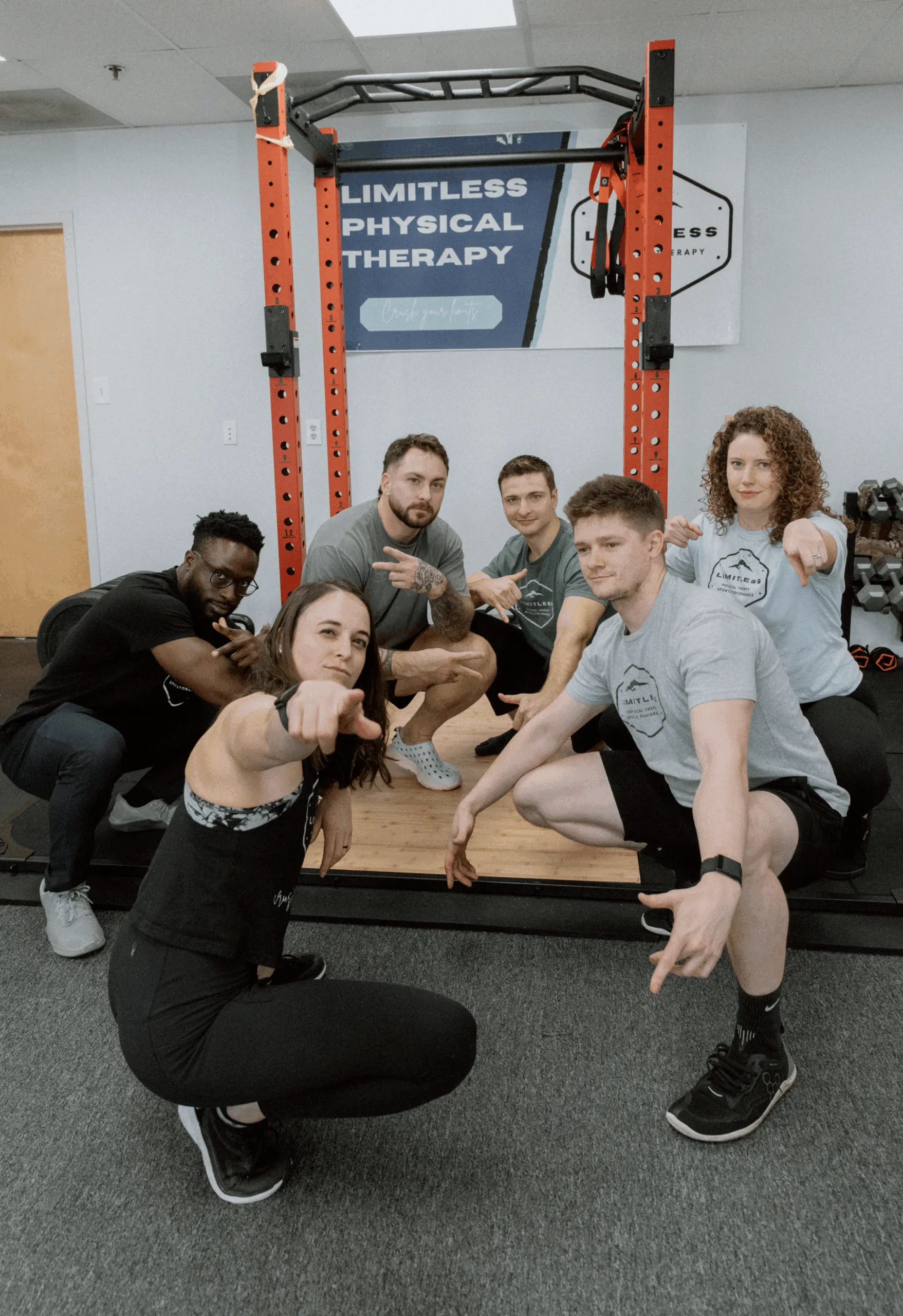
Sports Physical Therapy for High School Athletes: A Martinsburg Parent's Guide
Fall practice is underway at Martinsburg, Musselman, Spring Mills, Hedgesville, Jefferson, and Washington high schools, and the training room is already busy. Most in-season injuries in a teen athlete are not emergencies, which is exactly why they get ignored until the season is half gone. This guide covers what sports physical therapy does for a high school athlete, when to bring your kid in, and what recovery actually looks like week by week.
What is sports physical therapy for a high school athlete?
Sports physical therapy is rehabilitation aimed at returning an athlete to full sport demands, with pain relief as one step along the way. A Doctor of Physical Therapy evaluates how the athlete moves, treats the injured tissue, then rebuilds strength, power, and change-of-direction control until the body handles game demands again.
That last part is what separates it from general pain treatment. A sprained ankle can stop hurting in ten days and still be missing the single-leg balance and push-off strength a receiver needs to cut. Returning at that point is how a first ankle sprain becomes a third one.
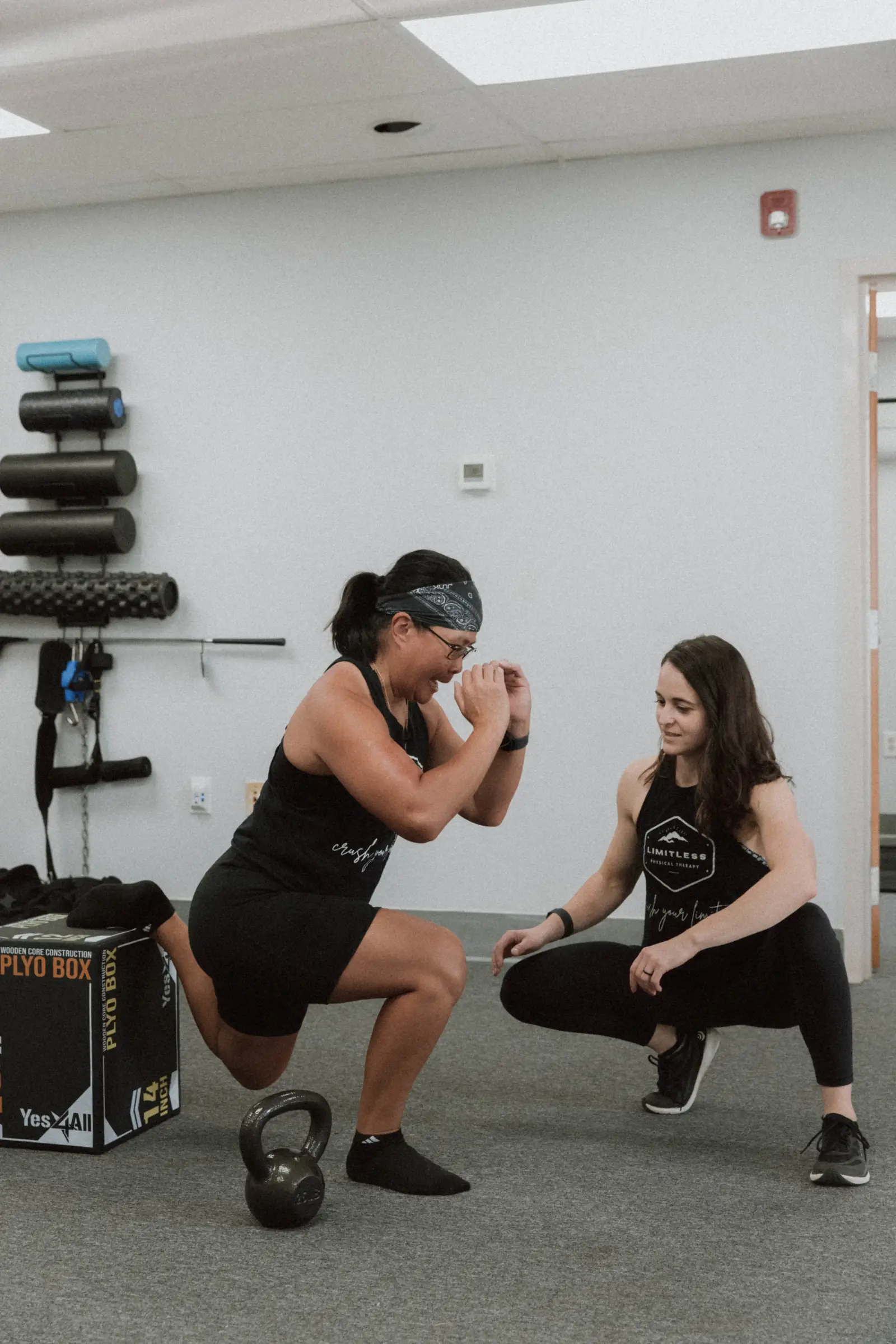
At Limitless Physical Therapy in Kearneysville, every visit is a full 60 minutes one-on-one with a Doctor of Physical Therapy. For a teenager who needs form corrected rep by rep, that matters more than it does for most adults.
When should a parent take a teen athlete to physical therapy instead of waiting?
Bring them in when pain lasts more than a week, changes how they move, or comes back every time they return to full practice. Those three signs mean the tissue is not resolving on its own and rest alone will not fix it.
- Limping, favoring a side, or altered mechanics that a coach or parent can see from the sideline.
- Pain that returns on the same drill every week, especially sprinting, jumping, or overhead work.
- Swelling or a joint that gives way in a knee, ankle, or shoulder.
- Pain that wakes them up at night or is present at rest.
- Any suspected concussion. West Virginia requires an athlete with a suspected concussion to be removed from play and medically cleared before returning. Limitless treats concussion management directly.
Normal post-workout soreness looks different. It shows up 24 to 48 hours after a hard session, affects both sides evenly, and fades within a few days. That does not need a clinic visit.
Does a high school athlete need a doctor's referral in West Virginia?
No. West Virginia has direct access, so a parent can book a physical therapy evaluation without a physician referral first. That removes a two-week wait for a primary care appointment during a ten-week season.
Insurance is a separate question from state law. Some plans still require a referral for coverage, so it is worth one phone call to your carrier before the first visit. Limitless also treats patients on a cash-pay basis, which sidesteps the referral requirement entirely.
If the evaluation turns up something that needs imaging or an orthopedic opinion, such as a suspected fracture or a knee that gives way, the therapist refers out. Direct access speeds up the front door; it does not replace a surgeon.
What happens at the first sports physical therapy visit?
The first visit is an hour of evaluation plus treatment on the same day. The therapist takes the injury history, tests strength and range of motion, watches the athlete squat, hop, and run, and identifies what upstream link is overloading the painful tissue.
A hurting knee in a soccer player is often a hip that is not producing enough rotational strength. A shoulder that pinches on a volleyball swing is often a mid-back that does not extend. Treating only the sore spot is why some injuries keep coming back in the same month of every season.
Hands-on treatment starts that day. Depending on the finding, that can include manual therapy, dry needling for a tight muscle knot, cupping or instrument-assisted soft tissue work, and a first set of loading exercises. Blood flow restriction training is available for athletes who cannot yet tolerate heavy loads after surgery or a serious strain, since it builds strength at much lighter weight.
Parents leave with a home program and a realistic timeline instead of a vague instruction to rest it.
How long will a teen athlete be out?
Timelines depend on the tissue and the sport, and the honest answer comes after the evaluation. These are common ranges seen in high school athletes:
- Mild ankle sprain: roughly 1 to 3 weeks to full practice, with balance and push-off work continuing after return.
- Hamstring strain: roughly 3 to 6 weeks for a sprinting athlete, longer if they return before the muscle handles high-speed running.
- Patellar tendon pain, or jumper's knee: often managed in season with load adjustment and progressive strengthening over 6 to 12 weeks.
- Shoulder impingement in an overhead athlete: commonly 4 to 8 weeks depending on how much throwing or serving volume is involved.
- ACL reconstruction: return to sport is typically 9 to 12 months, and the decision is based on strength testing and hop symmetry, not the calendar alone.
A number given before anyone has watched the athlete move is a guess. A number given after strength testing is a plan.
What can parents do at home during fall sports season?
Three things move the needle more than any brace or supplement:
- Protect sleep. Tissue repair and reaction time both degrade fast on short sleep, and August two-a-days plus the first weeks of school is exactly when teenagers lose it.
- Watch the volume jump. Most preseason injuries in the Eastern Panhandle come from a kid going from an off summer straight into daily practice in the heat. Ramp up, and treat the first two weeks as build-up rather than peak.
- Keep the home program going. Ten minutes of prescribed strength work daily beats a heavy session twice a week, and it is what prevents the same injury next season.
Hydration deserves its own line during a Panhandle August. Cramping calves and hamstrings in the first weeks of practice are frequently a fluid and heat problem before they are a muscle problem.
Where do Eastern Panhandle families go for sports physical therapy?
Limitless Physical Therapy is in Kearneysville, about 15 minutes from Martinsburg on WV-9 and a short drive from Charles Town, Ranson, Shepherdstown, and Inwood. The clinic holds a 5.0 rating across 215 Google reviews.
Beyond injury rehab, the clinic runs sports performance training and small group training, so an athlete can move from rehab into strength work in the same place with the same therapist who knows the injury history. Titleist Performance Institute screening is available for golfers.
If your athlete is limping through practice this week, an evaluation now costs less of the season than waiting until October. Request an appointment or see the full list of sports performance services.